


Breast Augmentation
Conveniently located to serve the areas of Marin, San Francisco, Sonoma and Napa
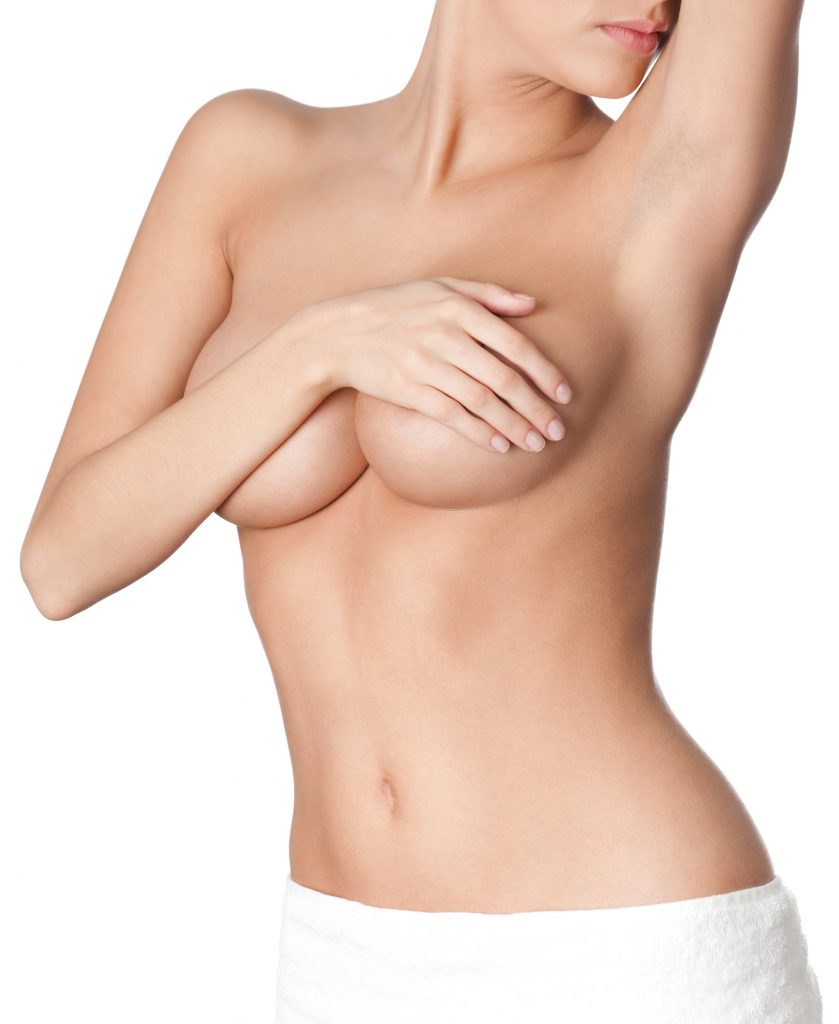
There are many reasons you may not be satisfied with the look of your breasts, but size generally makes the top of the list. Many women are dissatisfied because their breasts have become smaller with age or have age-related sagging, which multiplies the effects of fat and volume loss in the breast. Breast augmentation can provide beautifully contoured results and an increase in self-esteem for women who feel that their breast size is too small or that their breasts lack the fullness they would like.
Discover why patients from San Francisco, Sonoma, Napa, Santa Rosa, and beyond visit our specialists for breast augmentation. Request a consultation online, or call us at (415) 925-2880 to schedule an appointment.
Contents
What is breast augmentation?

Breast augmentation is a breast-enhancing procedure that uses breast implants or your body’s own fat to elevate the size, shape, fullness, and symmetry of your breasts. (1)
Why Patients Love This Procedure
- Natural-Looking and Feeling Results
- A Wide Array of Implant Choices
- Improved Breast Appearance
- Highly Customizable Results
Breast augmentation can boost both your cleavage and sense of self-confidence.
Why Choose PSSG?
Plastic Surgery Specialty Group & MedSpa (PSSG) is one of the leading aesthetic practices across Marin County.
Dr. Yngvar Hvistendahl, a board-certified plastic surgeon, leads our team. Dr. Hvistendahl offers more than 25 years of experience performing breast procedures, such as breast augmentation, and has helped countless patients achieve seamless, natural-looking results they can feel confident about.
If you are ready to schedule your consultation and start discussing the details of your breast augmentation, please contact us online or call (415) 925-2880.
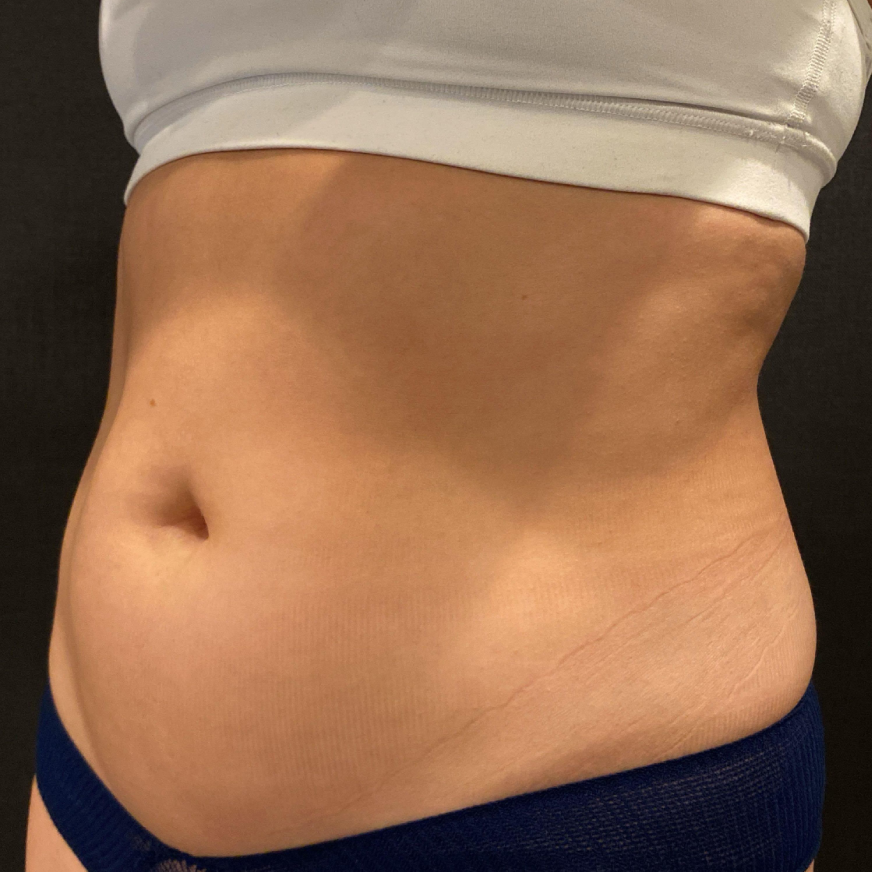
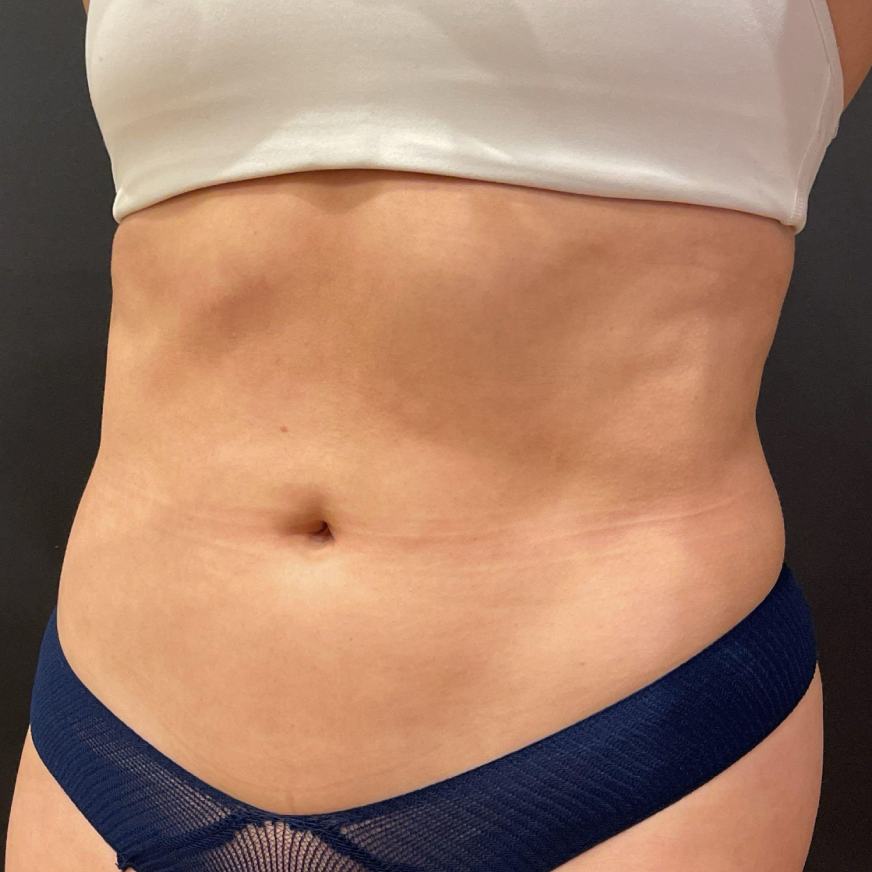
Before & After Photos

About Breast Augmentation
Over time, certain factors, such as gravity, pregnancy, weight fluctuations, or the natural effects of aging, can affect your figure, particularly your breasts. They can lose their volume, become asymmetrical, or take on a misshapen appearance—each of which can affect your sense of self-confidence. To address each of these concerns, Dr. Hvistendahl can perform a breast augmentation using either breast implants or your body’s own fat.
Fat Transfer Breast Augmentation
If you are uninterested in breast implants, Dr. Hvistendahl can perform a breast augmentation by using your autologous fat, or fat from other areas of your body. (2) This approach avoids the use of implants by using liposuction to take fat from areas such as the thighs, flanks, or abdomen. Dr. Hvistendahl then purifies and enriches the fat before re-injecting it into your breasts. He recommends this technique for patients who want more subtle enhancements, as it can only increase the breasts by one cup size at most.
Types of Breast Implants

Dr. Hvistendahl offers an array of different breast implants, each ranging in size and material. During your personal consultation, he will help you determine the most appropriate implants for your specific goals and breast anatomy.
Implant Material
We offer silicone, saline, and gummy bear silicone implants.
- Saline Breast Implants: Saline breast implants hold a sterile saltwater filling, and Dr. Hvistendahl may place them in the chest either pre-filled or empty, and then fill them afterwards. (1)
- Silicone Breast Implants: Silicone breast implants consist of a silicone gel, and they offer a softer feel that closely replicates that of natural breast tissue. (1)
- Gummy Bear Implants: Gummy bear implants contain a viscous silicone gel that can maintain its shape, even if a puncture or rupture occurs.
Implant Size
Dr. Hvistendahl offers implants in a variety of sizes to fit the figures of patients of all preferences. (3)
Implant Shape
At PSSG, we offer our implants in a smooth, rounded shape. These help patients achieve even projection and fullness across the top and bottom portions of the breast.
Who is a Good Candidate?
You may be a suitable candidate for a breast augmentation if you are interested in:
- Improving your breast size
- Reshaping the appearance of the breasts
- Addressing any asymmetry
- Improving the volume and fullness of the breasts
- Addressing the physical effects of pregnancy or weight loss
To qualify for this procedure, you should possess good overall health and maintain realistic expectations regarding your results. Dr. Hvistendahl will assess your candidacy during your consultation.
Personal Consultation
During your personal consultation, Dr. Hvistendahl will meet with you one-on-one to talk about breast augmentation, determine your candidacy, and create your treatment plan. He will ask about your medical history, personal concerns, and desired results. He will also perform a detailed assessment of your breast composition, overall anatomy, and skin quality.
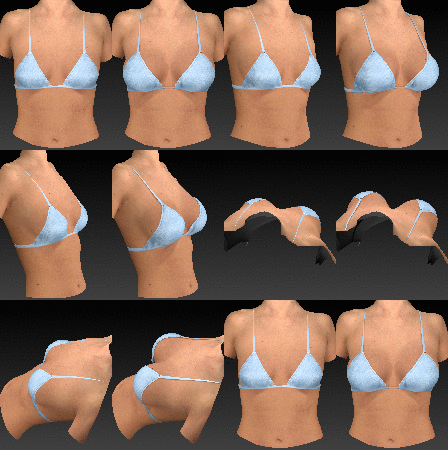
Using this information, Dr. Hvistendahl will help you decide the best approach for your ideal chest. He will also use the VECTRA® 3D Imaging software to help you visualize your potential results.
If you are ready to schedule this consultation and take the first step toward transforming your figure, please schedule a consultation online. You may also call (415) 925-2880 to reach our Greenbrae office directly.
Preparation
Before your procedure, Dr. Hvistendahl will provide you with a detailed set of pre-operative instructions to help you ensure a safe procedure and beautiful outcomes. These may include:
- Altering your medication or supplement intake to avoid any blood-thinning substances.
- Undergoing any medical examinations or lab tests that Dr. Hvistendahl has ordered.
- Arranging time away from your professional and personal responsibilities and commitments.
- Asking a trusted friend or relative for a ride home.
- Avoiding the consumption of nicotine or alcohol in the weeks before your procedure.
- Filling any prescriptions you need during your recovery.
Procedure
Dr. Hvistendahl will perform your breast augmentation as an outpatient procedure at his surgical center.
Breast Augmentation with Breast Implants
If you receive breast implants, your procedure will unfold as follows:
- Dr. Hvistedahl will begin by placing an incision using one of three approaches: The inframammary incision, transaxillary incision, or peri-areolar incision.
- Inframammary Incision: This incision extends horizontally beneath the breast crease.
- Transaxillary Incision: This incision lies within the crease of the armpit.
- Peri-Areolar Incision: This incision follows the bottom perimeter of the areola.
- Dr. Hvistendahl will then create a pocket for the implant to rest in, either above the pectoralis muscle (subglandular) or below the pectoralis muscle (submuscular.
- He will place the implant in the pocket, securing it in place.
- He will close each incision before transporting you to his recovery suite to briefly rest.
Fat Transfer Breast Augmentation
If you undergo fat transfer breast augmentation, your procedure will follow these steps:
- Dr. Hvistendahl will place a small incision near your excess fat deposits and inject the fat with a tumescent solution containing epinephrine, lidocaine, and saline. This solution will make the fat easier to remove.
- He will insert a cannula through the incision and move it back and forth to break down and suction out the fat, leaving the donor area more slender and slim.
- He will process the fat through a centrifuge to separate the healthy fat cells from the other cellular components.
- Dr. Hvistendahl will take the purified fat and carefully reinject it into the breasts.
- He will then close each incision before having you rest in his recovery suite.
Recovery
After your breast augmentation, you may experience some temporary side effects, such as swelling, bruising, or tightness around your breasts, but these will dissipate on their own as you continue to heal. To ensure optimal results, Dr. Hvistendahl will provide you with a set of post-operative instructions, which may direct you to:
- Wear a supportive bra during the first few weeks of your recovery.
- Avoid engaging in any arduous or demanding tasks.
- Refrain from returning to work for approximately three to four days, or until you feel well enough to.
- Attend any necessary follow-up appointments the team has scheduled.
Results
You will be able to see the results of your breast augmentation immediately after your procedure, but your results will further accentuate as any residual swelling subsides. While your exact results will vary, you can expect to enjoy effects such as:
- Improved symmetry
- Fuller breasts
- More rounded breasts
- Elevated proportions
- A greater sense of self-confidence
Breast augmentation procedures yield long-lasting results that you can enjoy for years to come. It is important to remember that breast implants are not lifetime devices and you will eventually need to replace them. To ensure their health and structural integrity, Dr. Hvistendahl recommends checking them regularly.
Cost of Breast Augmentation in Marin County
The team at PSSG will converse with you about the cost of your breast augmentation once Dr. Hvistendahl has established your treatment plan. Due to the highly customizable nature of this procedure, the price range can be very wide, making it difficult for our team to provide an early estimate. We also offer several financing options and resources.
For further inquiries about pricing, please request a consultation online or call (415) 925-2880.
FAQ
How will I know what size implants to get?
The best implant size for your goals will vary depending on your existing anatomy and desired results. During your personal consultation, Dr. Hvistendahl will help you select the best implant size, shape, and material.
Is there a way to know what my breast augmentation results will look like ahead of time?
Our Greenbrae clinic is one of the few practices to offer the VECTRA® 3D imaging system. This is a specialized program that can help you preview your potential results across several different implant shapes and sizes.
Is there a way to alter my breasts without implants?
Yes, Dr. Hvistendahl can perform a fat transfer breast augmentation if you want to avoid implants. This technique uses liposuction to take fat from other areas of the body before reinjecting it into the breasts.
Does breast augmentation have any risks?
Every procedure has the risk of certain complications. Dr. Hvistendahl will discuss each one with you in person, so you have a full understanding of the risks and how to avoid or minimize them.
References
Jalalabadi F, Doval AF, Neese V, Andrews E, Spiegel AJ. Breast Implant Utilization Trends in USA versus Europe and the Impact of BIA-ALCL Publications. Plastic and Reconstructive Surgery – Global Open. 2021;9(3):e3449. doi:https://doi.org/10.1097/GOX.0000000000003449
Fardo D, Sequeira Campos M, Pensler JM. Breast Augmentation. PubMed. Published 2021. https://www.ncbi.nlm.nih.gov/books/NBK482206/
Seth I, Bulloch G, Gibson D, et al. Autologous Fat Grafting in Breast Augmentation: A Systematic Review Highlighting the Need for Clinical Caution. Plastic and reconstructive surgery. 2024;153(3):527e538e. doi:https://doi.org/10.1097/PRS.0000000000010614


